Case study · Scandit · 2022 – 2024
AR shelf scanning in SwiftUI, on a C/C++ vision core
At computer-vision company Scandit I built a SwiftUI augmented-reality shelf-scanning solution from scratch — and worked across the stack it sits on, from the C/C++ SDK core to its WebAssembly build.
- Role
- Mobile Developer
- Where
- Remote (Berlin)
- Outcome
- AR shelf scanning, built from scratch in SwiftUI
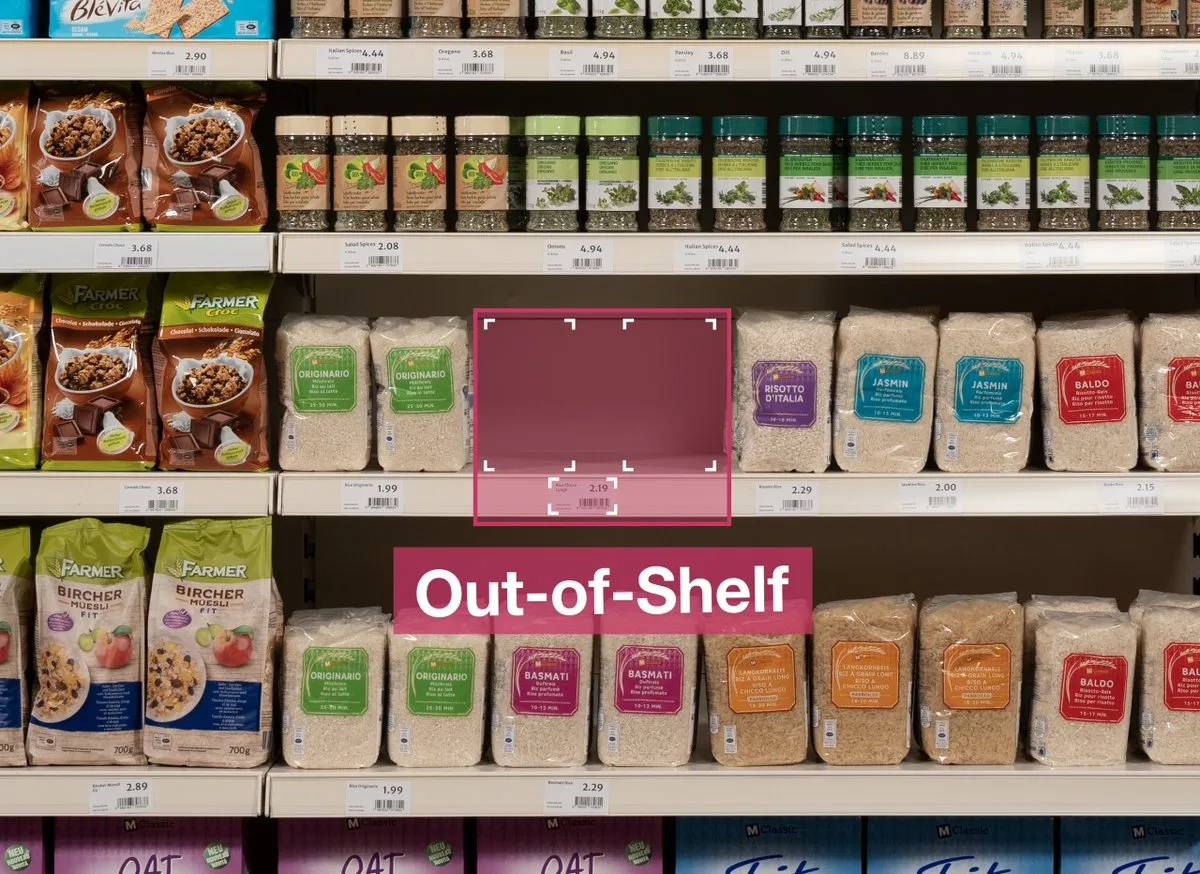
The setting
Scandit builds one of the leading computer-vision SDKs for smart data capture — the technology that lets a phone camera read dozens of barcodes, labels, and shelves in real time. Their public shelf-intelligence products help retailers spot out-of-stocks and pricing issues by pointing a device at a shelf.
I joined to work on that capture stack across mobile platforms.
What I built
- An AR shelf-scanning solution, from scratch — a SwiftUI application layer that turns live camera capture into augmented-reality overlays on the shelf itself, so what the computer vision finds is readable in place, at a glance.
- SDK integration and maintenance — integrated and maintained the Scandit SDK across mobile targets and its WebAssembly build, keeping capture behavior consistent across platforms.
- C/C++ core contributions — worked inside the SDK’s C/C++ core, the layer where camera frames meet the vision algorithms.
This was commercial SDK work, so specifics stay at the level Scandit shares publicly — the links above show the product space.
Why it matters
This is the rarest combination I offer: modern SwiftUI on top, augmented reality in the middle, and a cross-platform C/C++ computer-vision engine underneath — the full path from photons hitting a camera sensor to a decision a person can act on.